Behind the Curtains: Heiresses and Horror
The novels of Jane Austen paint a romantic picture of Georgian England. Flirting, balls, romance and weddings shape an upper class world always thinking about marriage, family and status. Everyone talked about inheritances, engagements and annuities; they were public knowledge. But what about wealth? Who was making money, not simply marrying into it? And how did it happen?
Look to history to answer that and other questions. The reality is that Caribbean slavery enriched many strivers, producing new money at scale. England built a colonial empire in the region from the mid-1600s and by the 1700s, sugar production surged, generating enormous profits. It was backbreaking dangerous work and the life expectancy of those who did it – enslaved men and women – was awful. Slavery made Georgian wealth possible. Rape, violence and all manner of degradation were rampant. Those enslaved in the British West Indies suffered in a man-made hell designed to enrich white owners. Moreover, men were not the only ones profiting from enslaved labor. Women and families cannot be ignored if we are to gain a full understanding of enslaved labor. Miranda Kaufmann’s Heiresses: Marriage, Inheritance, and Slavery in the Caribbean is a fascinating look at nine women who profited from slavery.
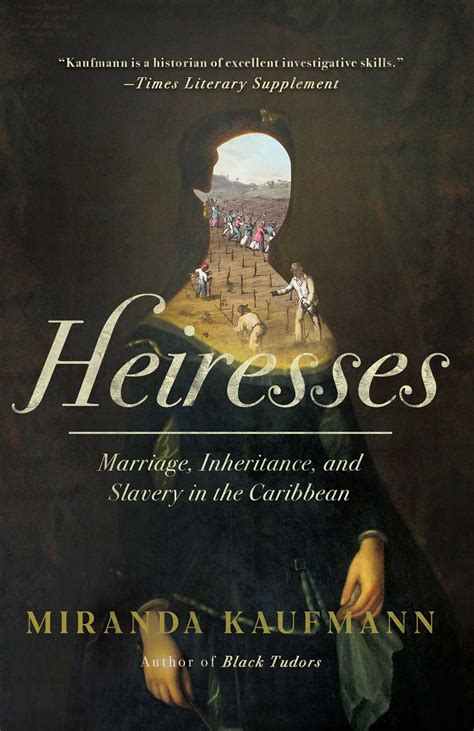
Kaufmann is a researcher at the University of London, journalist and educator. Black Tudors, her first book, received numerous well-deserved awards. Heiresses will as well. It is superb history. Meticulously researched and fascinating in its detail, the book sheds a powerful light on upper-class family finances and slavery. Kaufmann’s explanations of economics, English law, and the importance of first-born males (primogeniture) gives a clear framework to the reader. The book functions as a fact-based primer on Austen’s world and, by extension, the importance of slavery to the British empire. Heiresses is not abstract or textbook, though. The book offers a set of carefully crafted biographies, replete with family charts, illustrations and when possible, primary source quotes. We get to know the women, their families, and their lives.
One of Kaufmann’s great strengths is her curiosity and empathy, really to understand these women’s choices and worlds. She rightly calls out racism and hypocrisy, but the aim is not to scold. The book is ethical and fair in its judgments. Nevertheless, what it reveals is far from romance. It is a society and world driven by greed and indifference to fellow humans. The empire was exploitative and brutal.
The recurring theme for the women and their families was maintaining wealth. When Britain outlawed slavery 1834, there was a concerted effort for reparations. Some of the heiresses were active in the pro-slavery movement. Keeping in mind the many constraints society at the time placed on women, it was nonetheless possible for some to exercise significant agency with regard to their fortunes.
The nine women lived most of their lives in England, though there was ongoing travel across the Atlantic. Ignorance of the violence woven into slavery was impossible. They were first-hand witnesses and Kaufmann’s study makes clear that the women knew full well of slavery’s costs. None were abolitionists and evidence is scant of any concern about those enslaved. When a note does appear, Kaufmann calls it out in curiosity.
Heiresses is powerful and bound to generate conversations and inquiry. In Kaufmann’s words, “we must confront uncomfortable truths head on.” Ethical decisions and an ethical life depend upon it.
David Potash
Leave a Reply