Building Mastery of Service
Outstanding restaurants are magical. Their food is superb, of course, but something else is afoot. A special meal can transform into a memorable experience. Our behavior changes when we eat at someplace exceptional. Smiles come easier, the conversation flows, for food brings people together, and our awareness of time shifts.
How does a restaurant make that happen? And do it consistently, meal after meal, year after year? It takes much more than hard work and luck.
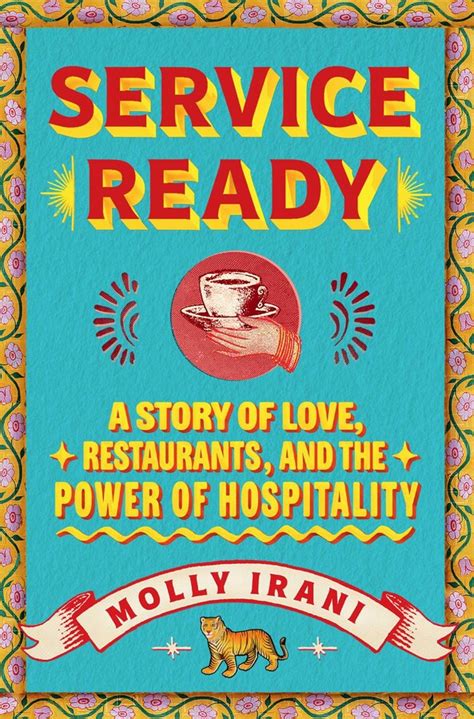
Molly Irani’s Service Ready: A Story of Love, Restaurants, and the Power of Hospitality opens an fascinating window into the building of an exceptional restaurant. Molly and her husband, Meherwan, are the founders and owners of Chai Pani, a James Beard award winning restaurant in Asheville, NC. Before taking the step, the couple had worked white collar jobs on the west coast but were frustrated by the lifestyle. They moved east to be closer to their family. Unsure of their future, they cast about for path to make money and live a fulfilling life as they re-imagined their lives. Molly’s parents had run a popular restaurant that nearly bankrupted them, leading to a divorce. Nonetheless, they decided to make a go of it, starting a restaurant that would serve the street food from Meherwan’s childhood in India.
With $60,000 and the support of friends and family, the couple found a sleepy diner for sale in a good location for traffic. The looming question: what sort of appetite might local residents in Asheville have for Indian cuisine? No one was serving anything like it.
The couple opened Chai Pani in 2009 with a robust business plan and confidence that by drawing upon their respective strengths they could make something special. A collective approach to leadership with a relentless focus on people was at the very foundation of their approach. They envisioned the enterprise as a people business that served food, not a restaurant that cared about people. Limited resources facilitated creativity. They decided that with inevitable challenges, reliance in innovative problem solving would get them through. The team called that kind of ingenuity “jugaad.” Fear, Irani writes, can paralyze entrepreneurship.
Chai Pani ran out food to sell their first day. The same thing happened on their second day. The restaurant was immediately popular. However, it took months, if not years, of work and adjustments to build a stable organization. Merewhan gave his attention on the food; Molly looked at everything else. Collectively, they organized around core principles including “mindblasting” hospitality, being a people company, mastery in servitude, fostering connection, inclusion and belonging, and finding where the love lies. Service Ready charts the business’s growth, its expansion (and retraction), and how principles shaped decision making. Molly writes from a perspective of curiosity and gratitude, giving the book a positive can-do vibe.
The lessons from Service Ready and Chai Pani are not limited to the culinary or hospitality sectors. They resonate in any organization that thinks of itself as a people business. It is a book that may find a home in business courses and on the shelves of aspiring entrepreneurs. My only complaint? No recipes.
David Potash