Rage, Dread and Love
Miriam Toews‘ novel, Women Talking, engaged me instantly, from the very first page. It stayed with me, leading to research on the web and a second reading. Days later, it is still with me, ready to summon a powerful mixture of feelings and sentiments. It is an intense work.
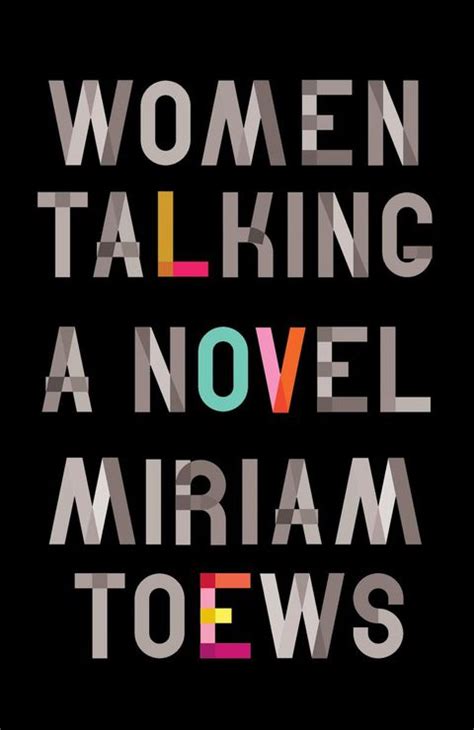
Women Talking is based on a horrific history: the serial raping of women in a Mennonite community in Bolivia. For years, women in the community would awake bleeding, disheveled and bruised, the victims of sexual attacks. Their complaints were ignored in their isolated, insular and extremely patriarchal world. Men called them imaginary “ghost rapes” or the work of devils. When women finally captured one of the rapists, they learned that they were being drugged by a spray and assaulted. Eventually, through years of investigation and trial, nine men were convicted of rapes. The trail cites 135 victims, from ages 3 to 65, but unofficially there were probably many more.
The sect’s misogyny enabled the crimes and compounded the harm. Most of the women had lives of limited opportunity, illiterate and in secondary status. The religion limited access and understanding of basic sexual health. A closed culture of shame made things worse, and the community’s faith and power structure bound the women further. The women were denied basic civil and human rights, like so many others in the world. But that does not mean that the women lack agency or have nothing to say.
From this horror Toews, herself a lapsed Mennonite, gives us a novel of women in this community talking. It is a novel of conversations. The women talk of options, of revenge, of harm, of their children, their families, and of love. Toews lets us listen to the women as individuals with strengths, weaknesses, ideas and fears – not as objectified victims – and that “reality” makes the evil they endured all the more terrible. It’s an extremely well-crafted work of intimacy and care, told in a situation of almost unimaginable evil. But the evil isn’t unimaginable – it happened. And that makes it all the more awful.
Women Talking is a powerful indictment of patriarchy. It gives voice to those that we might not hear. It is an extremely good novel.
David Potash