Untethered and Tied: Orbital Truths
I loved Samantha Harvey’s novel, Orbital. Reading it was akin to to a literary and philosophical rave, a sensory experience that fired synapses, raised consciousness and deepened concentration and calm – all from the tranquility of sitting with a paperback. It is a brilliant work about nothing at all and everything important. I read it slowly, and will again, giving sound to the text. Orbital is a work for world in which so much is possible yet everything is contingent, a contradiction knotted with itself.
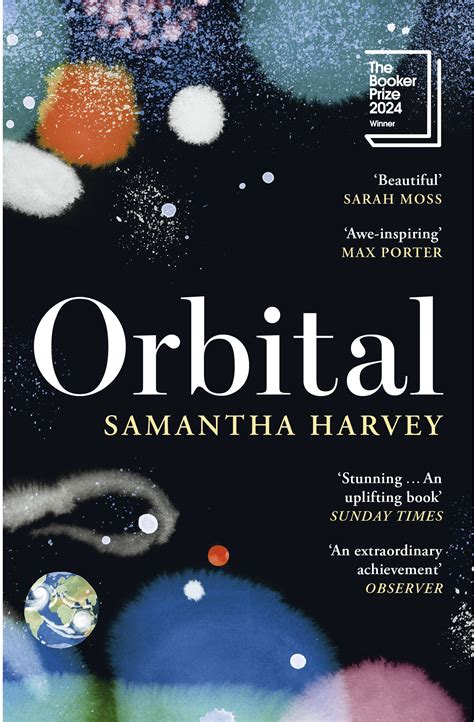
The concept is straightforward: one day of 24 hours, 16 orbits of a six-person space station, each astronaut with their own thoughts, tasks, observations and feelings. As they zip around the planet, contents and cities appearing and disappearing, they think about the world, the people, their colleagues and themselves. They perform important and meaningless tasks, giving structure to their day-to-day when natural cycles are impossible. Carefully and continuously monitored, the team receives outstanding care while their bones slowly soften, their muscles atrophy, and their aging accelerates.
The writing opened my mind to the high-stakes, high-reward prison that is space travel. Mental and emotional discipline is essential in an environment in which innovation, or perhaps even other forms of creativity, is impossible if not dangerous. What would one think and feel? What could one think and feel? How does one interact with one’s fellow travelers/prisoners? Harvey’s characters are functionally similar and still unique, with different histories, nationalities and wants. Trapped together with no privacy, the space station inhibits individuality while bringing out what is exceptional about humans. The astronauts are heroes, but in a special way.
Come to think about it, everything in this highly structured novel, like that of its subjects, is tightly controlled. Through these strictures humanity appears and is celebrated, it all its greatness and frailty. Contradiction, accordingly, is at the very heart of this work. It is only in space, examining that phenomenon, that we truly can come down to earth to appreciate what we have and who we are.
Orbital is a Booker Prize winner. Great book, too, to read while listening to Orbital.
David Potash
Leave a Reply